The Influence of Individual Experience on Effective Website Design Approaches
Customer experience (UX) is an important element in the efficiency of website design approaches. It includes use and access, influencing just how customers engage with a website. A well-crafted UX can result in boosted involvement and retention. Several designers ignore crucial elements that contribute to a favorable experience. Understanding these components is necessary for success. What specific methods can enhance UX and inevitably drive much better outcomes?
Understanding User Experience: Interpretation and Importance
User experience (UX) serves as a crucial component in the domain of website design, basically forming exactly how individuals interact with electronic platforms. It includes the general experience a user has while navigating a site, including variables such as accessibility, functionality, and complete satisfaction. A properly designed UX not just enhances user engagement however also affects user retention and conversion rates. Recognizing UX is crucial for designers, as it assists identify customer needs and choices, permitting the development of instinctive interfaces. Focusing on UX fosters a favorable emotional response from customers, which is vital for constructing brand name loyalty. Ultimately, a solid focus on individual experience can lead to an effective electronic visibility, making certain that websites successfully satisfy users' goals and assumptions.
Crucial Element of Effective Internet Design
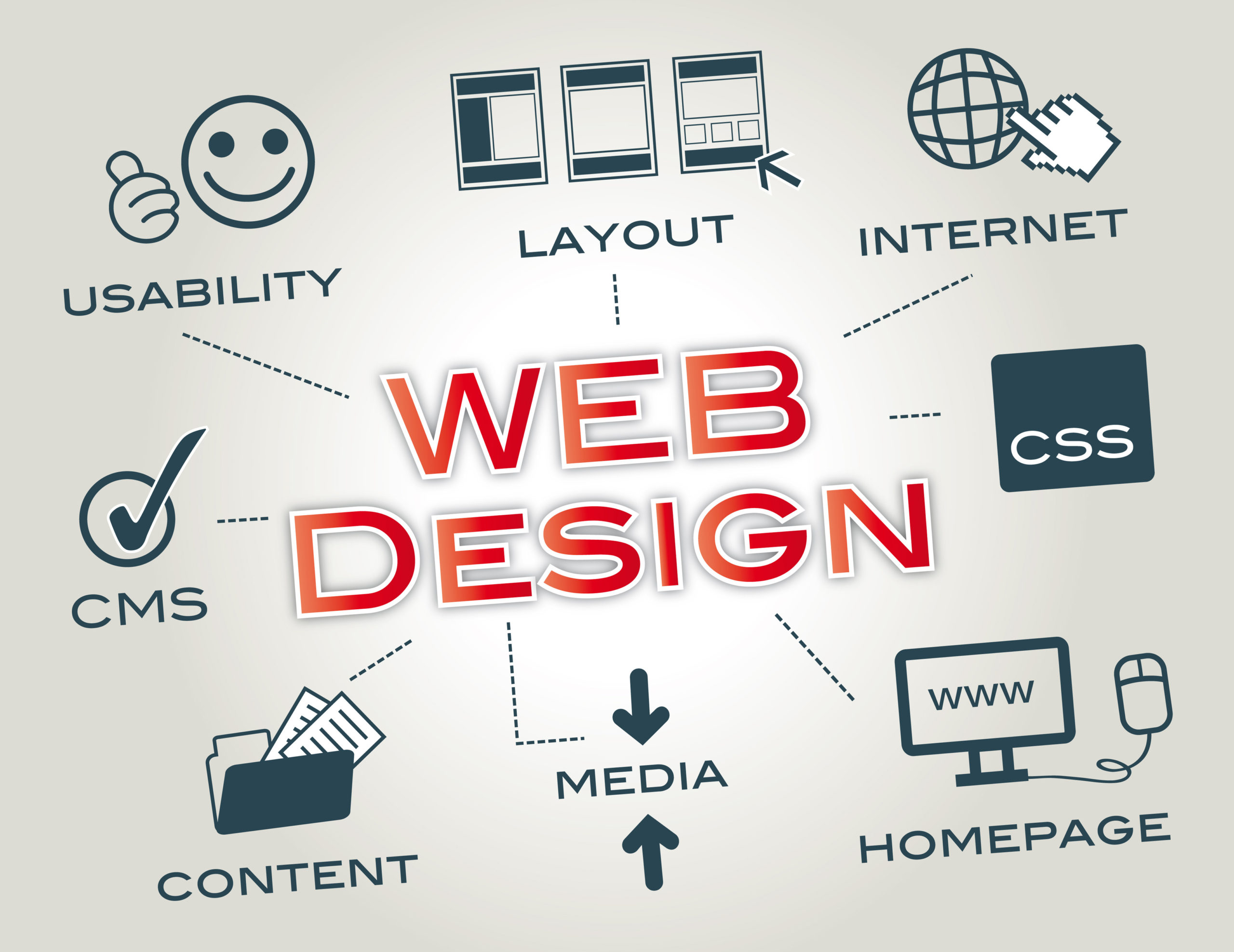
Reliable website design rests on a number of essential elements that improve customer experience. User-friendly navigating, a distinct aesthetic power structure, and receptive format flexibility are crucial for leading individuals and ensuring access throughout devices. Recognizing these parts can considerably influence the overall performance of a website.
Intuitive Navigating Design
How can user-friendly navigation Design transform a visitor's experience on a website? Intuitive navigation simplifies the customer's trip, allowing site visitors to locate info rapidly and effectively. This kind of Design uses clear tags, logical framework, and acquainted designs to minimize confusion. By prioritizing necessary web content and organizing it hierarchically, customers can quickly situate desired pages without unneeded clicks. Furthermore, responsive navigating elements, such as dropdown food selections and breadcrumb tracks, boost use across devices. Effective instinctive navigating not only improves user fulfillment but additionally decreases bounce prices, motivating longer site engagement. Eventually, a seamless navigating experience fosters a feeling of trust and self-confidence, making visitors most likely to return and discover even more, therefore increasing the overall success of the web site.
Visual Pecking Order Value

A well-structured aesthetic pecking order plays a critical duty in assisting customers via a website's material, complementing the instinctive navigating Design that boosts total customer experience. By focusing on components such as size, shade, comparison, and positioning, developers can effectively draw attention to important details and phones call to action. This organization allows individuals to swiftly determine essential areas, helping with less complicated understanding and navigation. In addition, a regular visual power structure helps establish a cohesive brand identification, reinforcing count on and engagement. When customers can easily process details, they are more probable to connect positively with the site, inevitably leading to greater conversion rates - Internet Advertising In South Africa. Consequently, carrying out a clear aesthetic power structure is an essential aspect of effective internet Design methods, substantially impacting individual contentment and retention
Responsive Design Versatility
What makes a web site absolutely adaptable across numerous devices? Receptive design adaptability is essential for making certain perfect user experience. This Design strategy uses fluid grids, versatile pictures, and CSS media inquiries to change the design based on the tool's screen size and resolution. Effective responsive Design not only boosts aesthetic allure however likewise improves functionality by allowing users to navigate seamlessly, no matter of the platform used. Crucial element consist of prioritizing web content pecking order, ensuring touch-friendly user interfaces, and maintaining rapid loading times. By focusing on these facets, developers can develop websites that deal with varied user requirements, eventually causing greater customer satisfaction and involvement. In today's digital landscape, adaptability is no more optional; it is crucial for successful website design.
The Role of Navigating in Customer Experience
Reliable navigating is necessary for improving user experience on sites. It offers as a roadmap, directing customers easily through different areas and web content. A well-structured navigation system minimizes complication and disappointment, enabling site visitors to locate info promptly. Key elements of effective navigating consist of uniformity, simpleness, and quality. Clear labels help individuals understand where links will take them, while regular positioning reinforces familiarity throughout web pages. In addition, a streamlined food selection can reduce cognitive overload, making it simpler for users to choose. The usage of breadcrumbs and dropdowns even more boosts use by supplying context and additional pathways. Inevitably, solid navigating cultivates individual satisfaction, motivates longer check outs, and enhances the probability of conversions, solidifying its important duty in effective website design approaches.
Responsive Design: Satisfying Individual Needs Across Gadgets
Responsive Design is progressively important in suiting the varied array of tools used to access the web today. This method ensures that internet sites give a premium viewing experience, no matter screen dimension or orientation. By employing fluid grids, versatile pictures, and media questions, responsive Design enables seamless adaptation across desktop computers, tablet computers, and mobile phones. This flexibility not just enhances functionality however additionally provides to differing individual choices and contexts. With even more individuals depending on mobile tools for on-line communications, the demand for receptive Design has actually become vital in maintaining customer contentment and engagement. Services that focus on receptive Design can much better satisfy individual expectations, which ultimately adds to higher retention rates and improved general efficiency in the electronic landscape.
Enhancing Individual Involvement Through Visual Design
Visual Design plays a vital function in boosting individual interaction by leveraging click here now aspects such as color psychology, typography, and interactive functions. The calculated use shades can evoke emotional reactions, while appropriate typography boosts readability and aesthetic appeal - Internet Advertising In South Africa. Furthermore, including interactive components cultivates user involvement, creating a more immersive experience
Shade Psychology Impacts
Shade psychology plays an important function in shaping user involvement within internet Design, as various colors can evoke distinctive emotions and affect actions. Blue often shares trust and reliability, making it a popular selection for company sites. In comparison, red can trigger seriousness and enjoyment, regularly seen in call-to-action buttons. Eco-friendly commonly stands for tranquility and health, appealing to individuals in health and ecological industries. By purposefully selecting shades, designers can develop an aesthetic pecking order that overviews user actions and boosts the general experience. Additionally, constant color pattern add to brand name acknowledgment and loyalty. Inevitably, comprehending the emotional effects of color enables internet developers to craft engaging user interfaces that reverberate with customers, causing enhanced interactions and conversions.
Typography's Role in Engagement
Effective internet Design depends not only on color selections yet likewise on typography, which greatly influences individual involvement. The choice of fonts, sizes, and spacing can either take away or boost from an individual's experience. Understandable and clear typography enables users to quickly digest content, encouraging them to spend even more time on a site. In addition, a regular typographic pecking order overviews the user's eye, highlighting essential details and facilitating navigation. Unique typeface selections can additionally show a brand's identity, creating a more powerful emotional link with the audience. Eventually, reliable typography not just enhances readability but additionally cultivates an aesthetically enticing environment, boosting general interaction and motivating users to return for future interactions.
Interactive Components Significance
While individuals browse a site, the existence of interactive elements significantly enhances their engagement and total experience. These elements, such as switches, sliders, and quizzes, welcome users to get involved proactively as opposed to passively taking in material. By promoting interaction, developers can create a much more tailored experience, allowing individuals to check out and attach with the product in significant methods. Additionally, interactive features can capture attention and maintain customers on the site longer, lowering bounce prices. They likewise supply prompt comments, strengthening individual actions and encouraging additional expedition. Integrating interactive components right into internet Design methods not just boosts aesthetic charm but also substantially adds to user satisfaction and retention, inevitably leading to higher conversion prices.
Determining User Experience: Tools and Techniques
Measuring individual experience is essential for comprehending exactly how efficiently a site fulfills the demands of its customers. Numerous tools and methods are available for this objective, including user testing, surveys, and analytics. User testing frequently involves observing real individuals as they connect with a website, offering insights right into use issues. Studies can collect straight comments on user contentment and regarded value. Analytics devices track customer actions, highlighting locations where customers might shed or have a hard time interest. In addition, heatmaps picture user communications, disclosing which components bring in focus. By employing a combination of these approaches, internet designers can obtain a detailed understanding of individual experience, causing educated Design decisions that enhance overall site efficiency.
Often Asked Concerns
How Does Customer Experience Impact Conversion Rates on Websites?
Customer experience significantly affects conversion prices on internet sites. A seamless user interface, user-friendly navigation, and interesting web content can enhance user fulfillment, leading to boosted trust and higher likelihood of finishing desired actions, thus improving total conversions.
What Prevail Customer Experience Blunders in Web Design?
Usual customer experience errors in website design include messy formats, sluggish packing times, poor navigation, insufficient mobile optimization, lack of clear calls-to-action, and disregarding accessibility standards, every one of which can substantially prevent individual involvement and fulfillment.
How Commonly Should Web Design Be Updated for Ideal Individual Experience?
Website design ought to be upgraded routinely, ideally every 1-2 years, to adjust to evolving user choices and click technical advancements. Constant assessments improve usability, making sure that the web site remains pertinent and interesting for its target market.
Can Customer Experience Impact SEO Rankings?
Individual experience significantly influences search engine optimization rankings. Web Design South Africa. Online search engine prioritize internet sites that provide seamless navigating, quickly filling times, and engaging content, consequently awarding sites that enhance user fulfillment with greater exposure in search engine result
What Are Some Examples of Excellent User Experience in Website Design?
Instances of outstanding individual experience in internet Design include intuitive navigation, receptive formats, fast filling times, clear phone call to activity, and involving visuals. These components contribute to user Recommended Reading complete satisfaction and encourage prolonged communication with the website.
User experience (UX) serves as an essential component in the domain name of web Design, essentially shaping how customers interact with electronic platforms. A well-structured aesthetic power structure plays an essential function in leading users via a web site's material, matching the user-friendly navigating Design that enhances total individual experience. With more individuals counting on mobile devices for on-line communications, the requirement for receptive Design has come to be vital in maintaining individual satisfaction and involvement. Measuring customer experience is important for comprehending exactly how properly an internet site meets the requirements of its customers. Customer testing usually includes observing real users as they communicate with a site, supplying insights right into functionality issues.
Comments on “Internet Advertising In South Africa: Top Strategies That Drive Traffic”